The information, photos, and guidance found on this website are provided for informational purposes only and must never replace the advice of a professional mycologist for mushroom identification. Only proper training or expert confirmation by a mycologist can allow you to safely identify wild mushrooms. When in doubt, a forager should always refrain from consuming any unknown specimen.
For Your Health – PRECAUTIONS WITH WILD MUSHROOMS (French)
If a toxic product is swallowed:
📞 1-800-463-5060
Toll-free phone service (24/7).
Acute poisoning refers to a single or repeated exposure over a short period of time involving a child or adult who:
IMPORTANT: If the person is not breathing or is unconscious, call 911.
When consuming wild mushrooms for the first time, or trying a new species, it is strongly recommended to eat only a small quantity to test for any intolerance or allergy. Also note: all wild mushrooms must be cooked before consumption. The authors and publisher of this website cannot be held responsible for any misidentification leading to mushroom consumption.
Always consult a professional mycologist to ensure correct identification of any species you intend to eat. Also remember: mushrooms stored in poor conditions — whose flesh is dead or decomposing — can be unsafe to eat, just like any spoiled or degraded food, and may lead to food poisoning or other health issues.
IMPORTANT: Never eat raw mushrooms.
The vast majority of dehydrated mushrooms sold in our markets are imported from abroad and repackaged in Quebec. Often, there is no traceability. With the exception of easily recognizable species like morels, it is very difficult to know exactly what kind of mushroom you’re buying. These products are responsible for a number of poisonings. The main reason behind these imports is low cost. It takes approximately 12 kg of fresh mushrooms to produce 1 kg of dehydrated mushrooms. If 1 kg of fresh mushrooms sells for $30.00, the equivalent cost for raw material is $360.00/kg, not including slicing, drying, packaging, and marketing expenses.
To purchase Quebec-grown dehydrated mushrooms, expect a higher price and make sure to deal with a reputable and conscientious local processor.
For Your Health – MUSHROOMS ON THE MARKET (French)
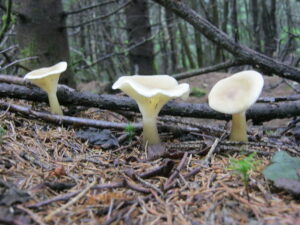
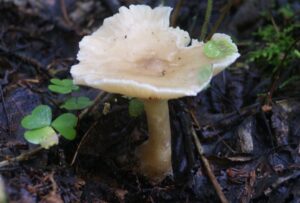
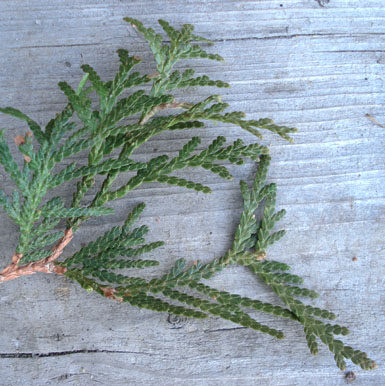
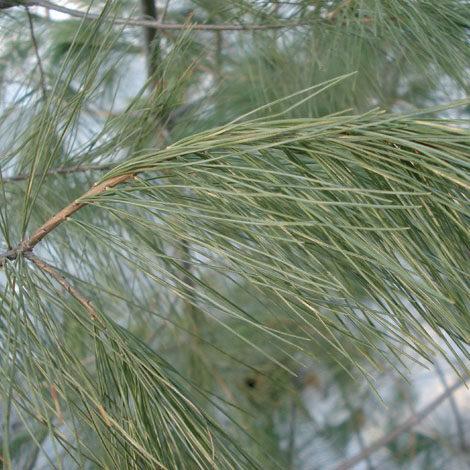
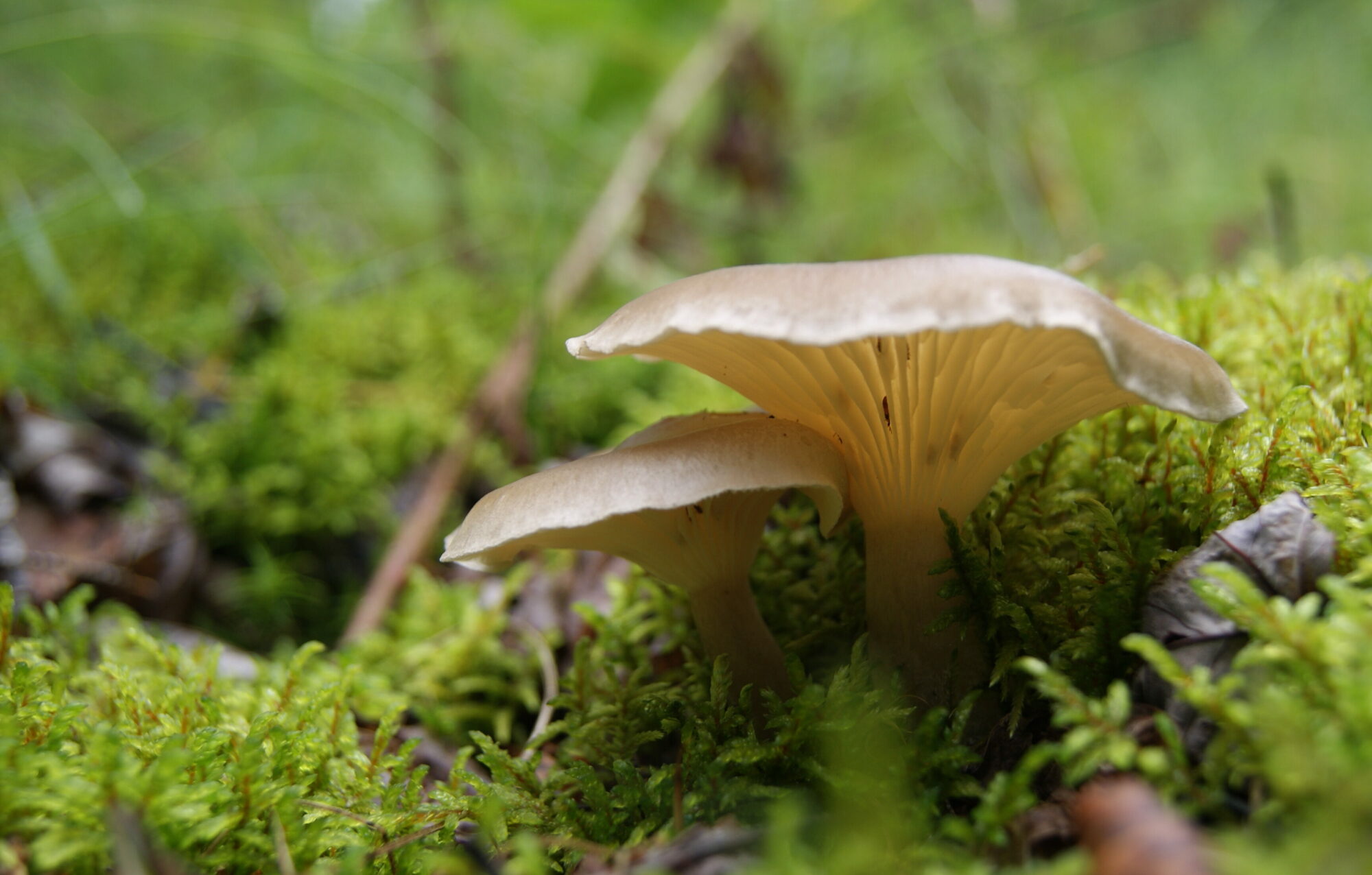
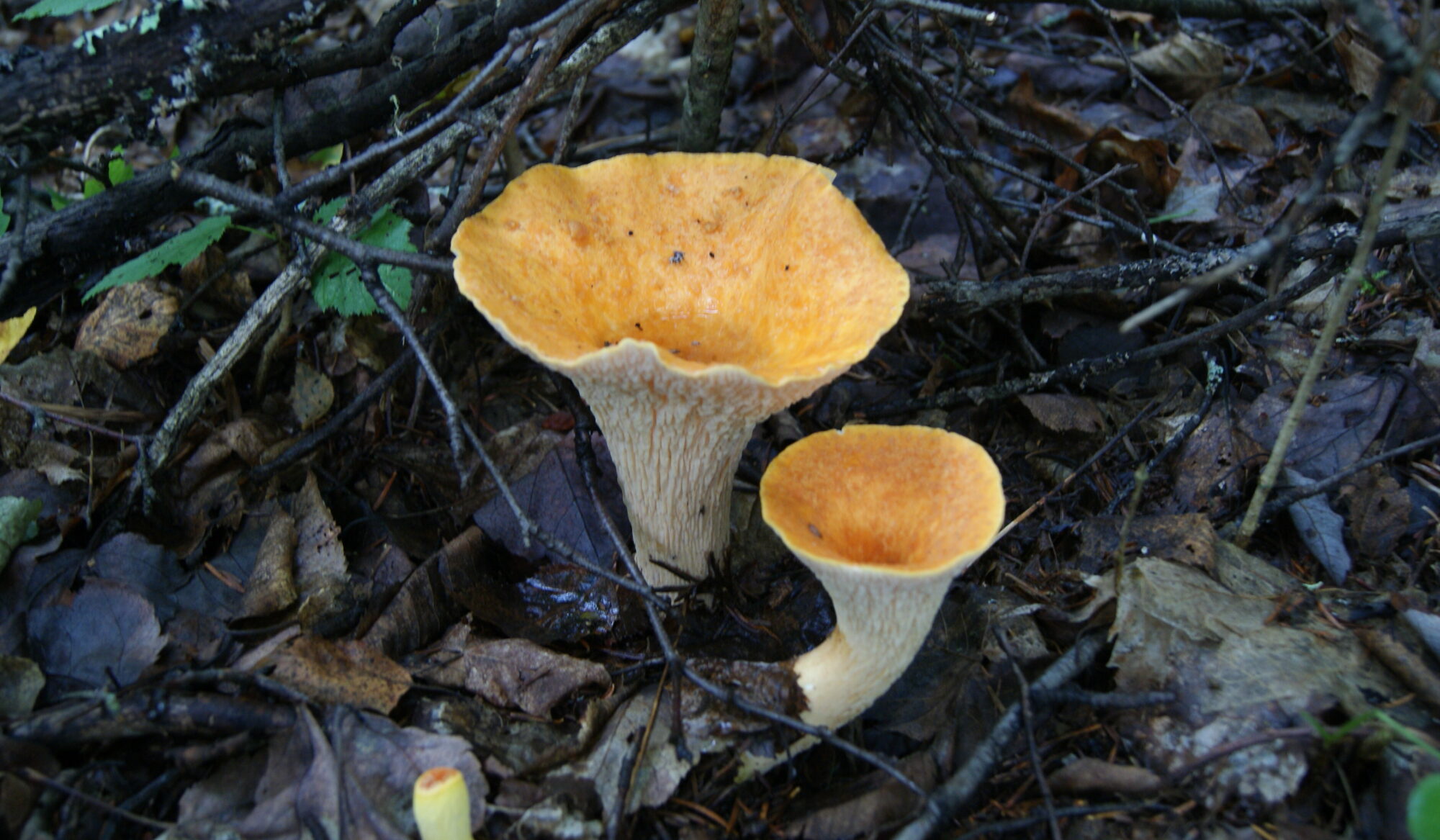
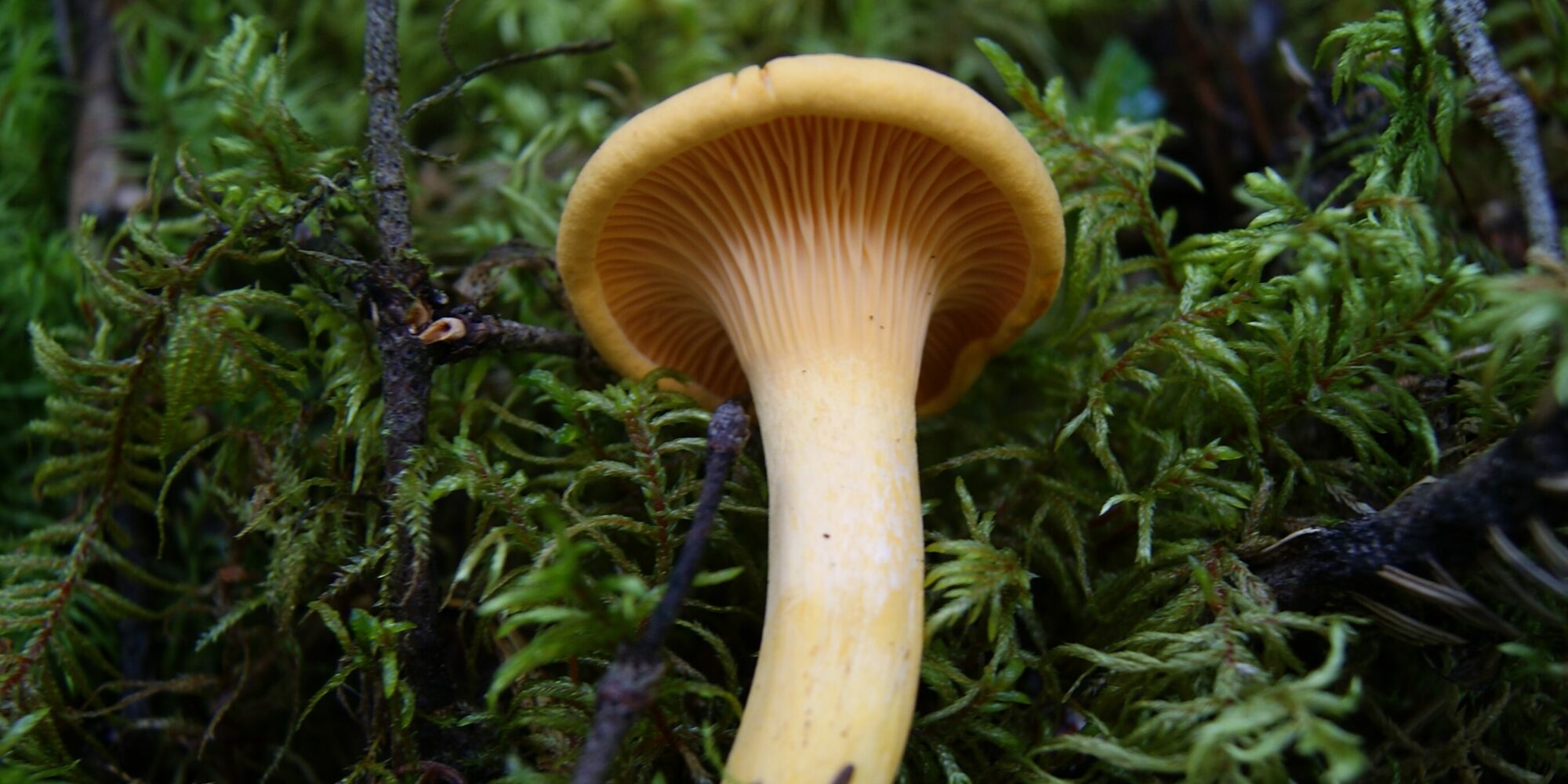
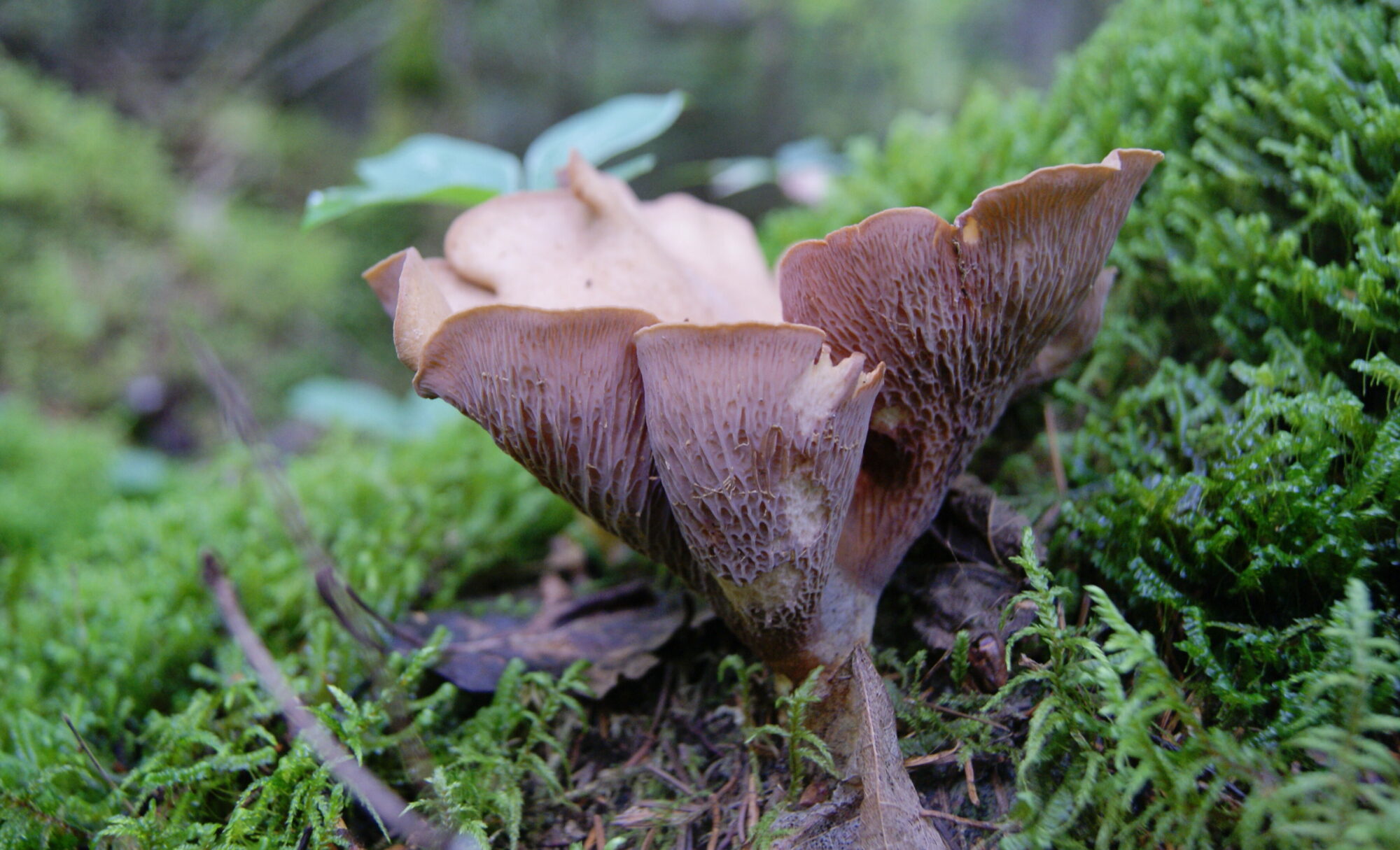
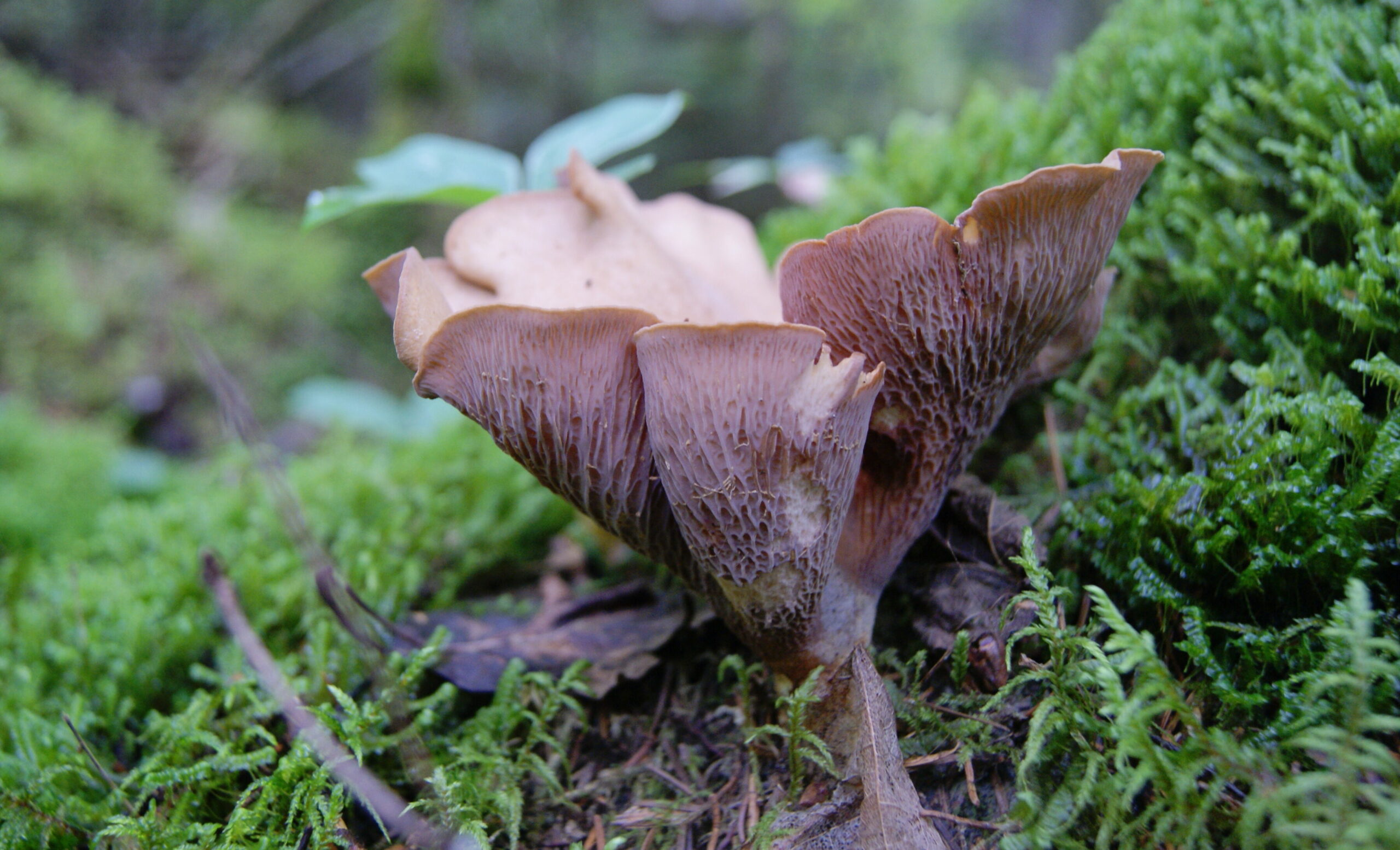
Ce clitocybe se rencontre fréquemment sous les conifères 1 et dans les forêts mixtes où il joue un rôle important dans la décomposition de la litière des sous-bois. On pourra le cueillir aussi bien dans la zone climatique de la forêt feuillue que dans la forêt de transition. Une importante restriction à sa consommation est qu’il peut causer des intoxications de type coprinien, s’il est consommé avec de l’alcool.
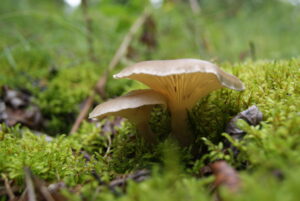
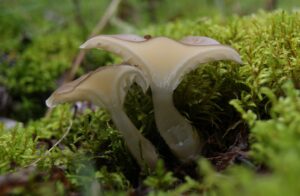
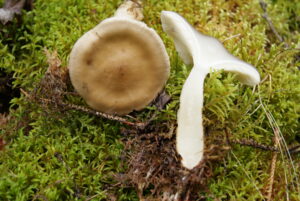
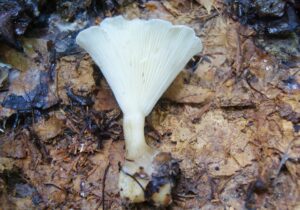
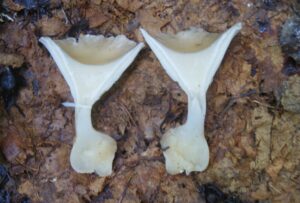
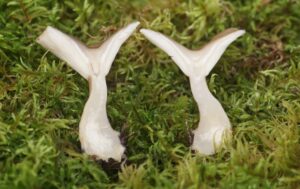
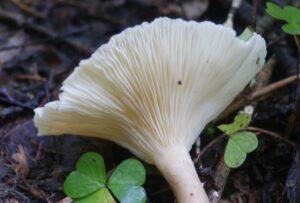
Il fructifie en fin d’été et en début d’automne, parfois d’une façon très abondante. On le reconnait à son chapeau nettement en entonnoir 6 7 8 à maturité, à ses lames longuement décurrentes 6 9 et à son pied renflé 7 8. On notera la couleur grise teintée de brun pâle du chapeau 4 7 et le fait que le pied et le chapeau ne portent aucun ornement.
On remarque la chair épaisse du chapeau de la fructification en plein développement 3, sa forme bombée en son centre et sa marge encore incurvée vers le bas; la photo du centre 3 illustre le moment idéal de cueillette. La chair du chapeau et celle du pied sont comestibles.
Parvenu à maturité, le chapeau forme un véritable entonnoir et la chair au centre s’amincit 7 8. Le champignon est encore d’une bonne qualité, mais bientôt sa dégénérescence s’amorcera. Ne jamais l’inclure dans un mélange forestier déshydraté pour éviter les intoxications si consommé avec de l’alcool.
Crédits photos @ Fernand Miron, Marcel Otis.
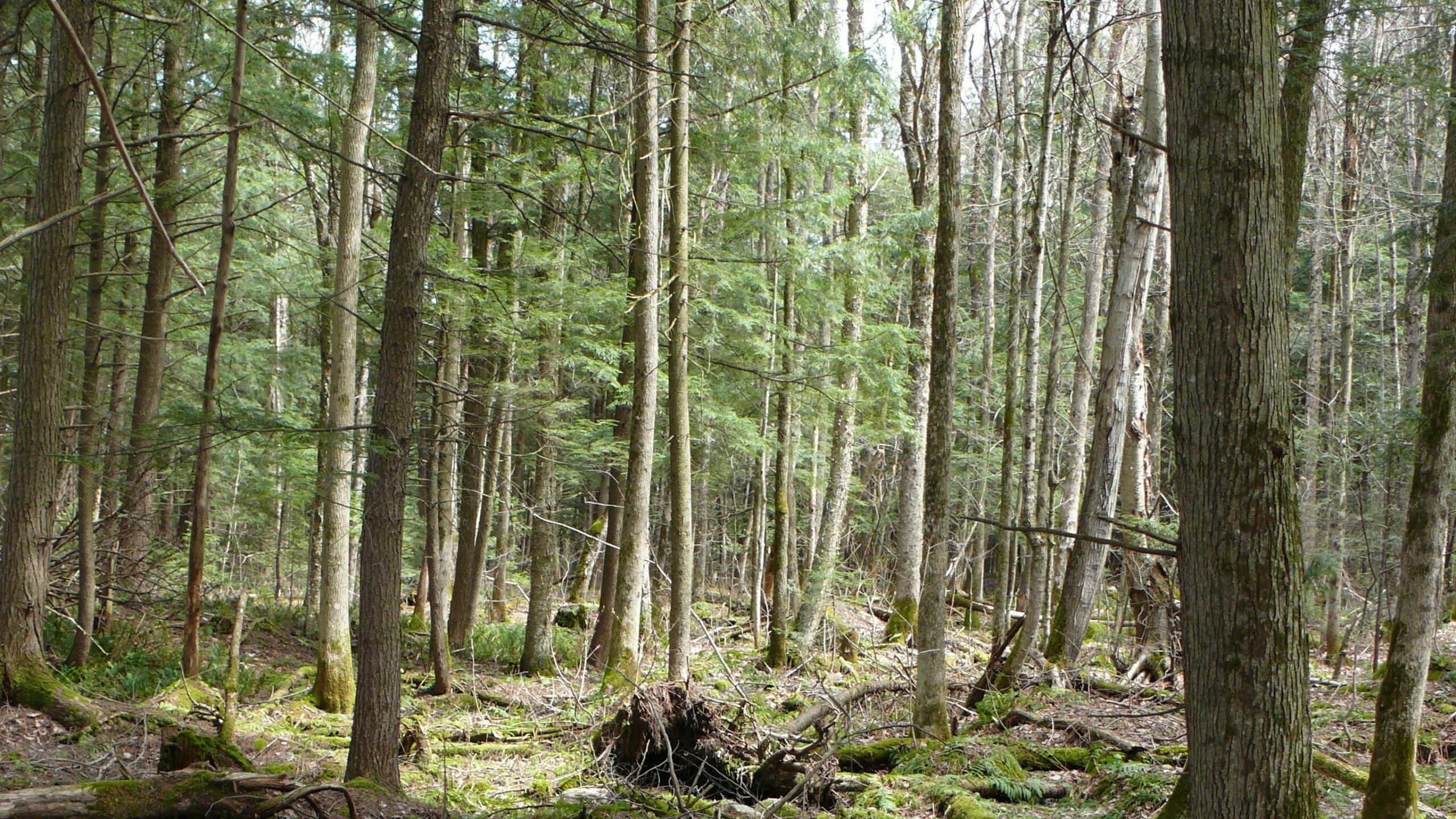
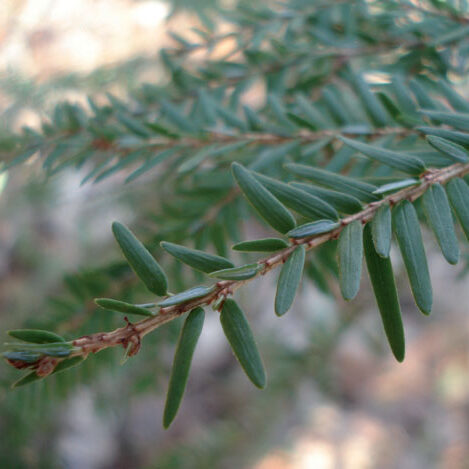
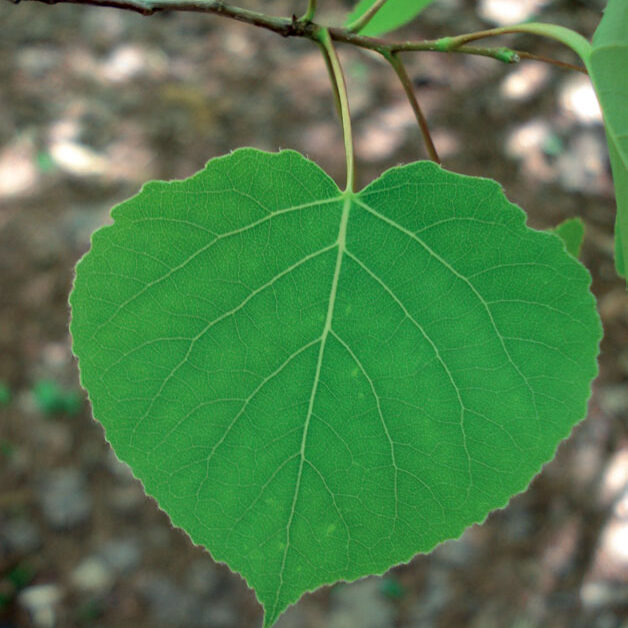
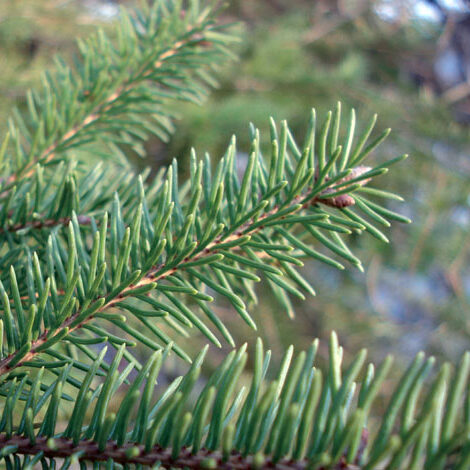
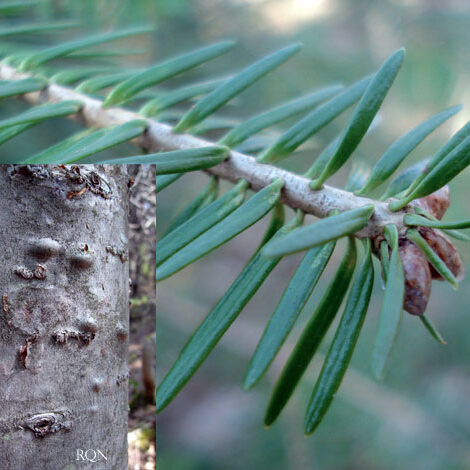
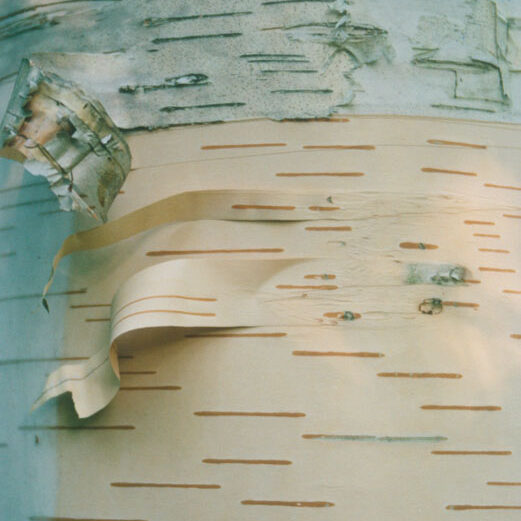
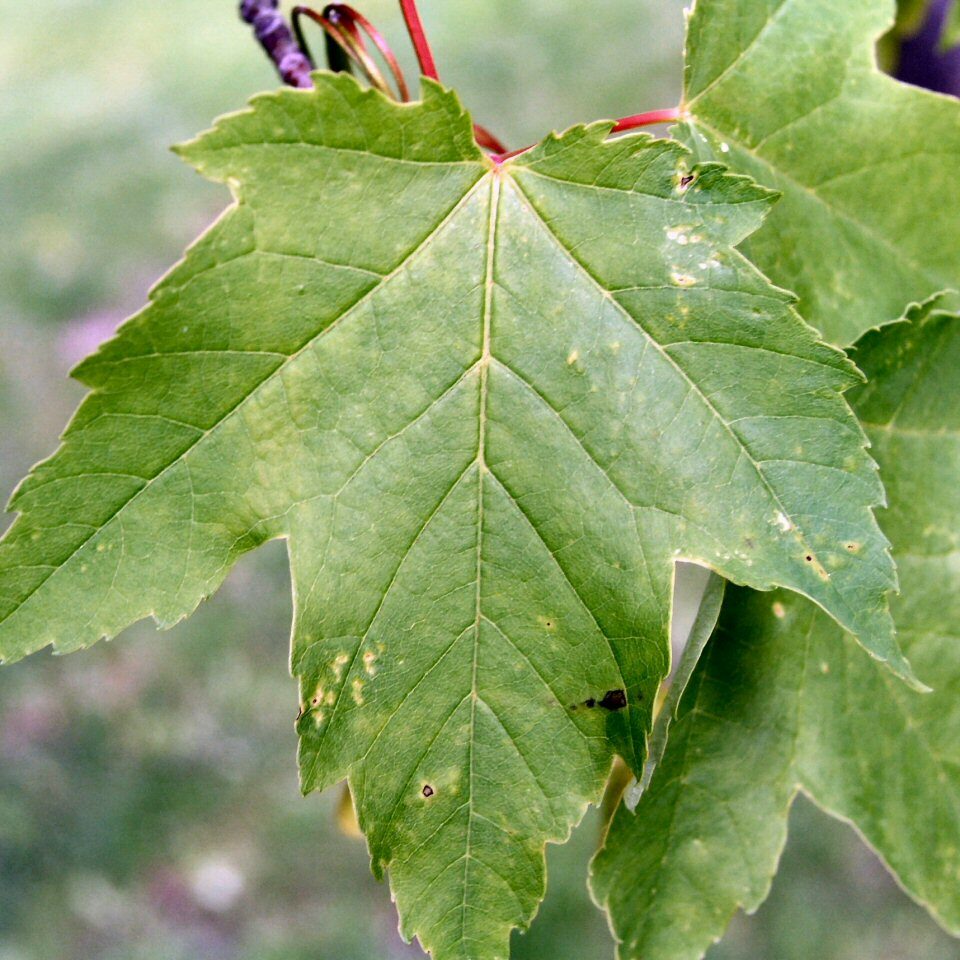
Cet habitat est composé d’espèces résineuses sans qu’une d’entre elles ne domine. Les feuillus habituellement associés sont l’érable rouge, le bouleau blanc, le bouleau jaune et le peuplier faux-tremble.
Cet habitat riche en essences forestières abrite une grande variété d’espèces de champignons, et les cueillettes peuvent être aussi nombreuses que variées tout au long de la saison.